Massage Therapy for Seniors Benefits for Mobility Stress Relief and Well Being
Ageing can bring wisdom, perspective, and a better sense of what truly matters. It can also bring stiff joints, slower recovery, poorer sleep, and a body that seems to hold on to tension longer than it once did.
Massage therapy cannot reverse ageing, and it should never replace medical care. Yet for many older adults, it can offer gentle, practical support for everyday comfort. When provided by a qualified therapist who understands the needs of seniors, massage may help ease muscle tension, support circulation, reduce stress, and make movement feel less daunting.
For older people who want to stay active, sleep better, and feel more at home in their bodies, massage can be a valuable part of a broader care plan.
This article is for general information only. Anyone with a medical condition, recent surgery, blood clot risk, fragile skin, cancer, osteoporosis, or unexplained pain should speak with a GP or relevant health professional before starting massage therapy.

Why massage therapy can be especially helpful in later life
The body changes with age. Muscles may lose some strength and elasticity. Joints can become stiffer. Circulation may feel less efficient. Balance, sleep, and confidence with movement can also change.
These shifts are common, but they can affect daily life in small and frustrating ways. Getting out of a chair may take more effort. A short walk may leave the legs feeling heavy. Neck and shoulder tension may build from using a walking aid, sitting for long periods, or sleeping awkwardly.
Massage therapy works with soft tissues such as muscles, tendons, and fascia. It uses touch, pressure, and movement to encourage relaxation and ease tension. For seniors, the approach is usually slower and gentler than a deep sports massage. A therapist may use light to moderate pressure, shorter sessions, extra cushioning, and careful positioning.
The goal is not to “fix” ageing. The goal is to support comfort, mobility, and quality of life.
A good senior-focused massage session may help with:
Stiffness from reduced movement
Muscle tightness in the back, legs, shoulders, or neck
Mild swelling or heaviness, where massage is safe and appropriate
Stress, worry, and restlessness
Body awareness and confidence with movement
Relaxation before sleep
The benefits are often strongest when massage sits alongside other healthy habits, such as gentle exercise, stretching, good hydration, social connection, and appropriate medical care.
Massage can support mobility and easier movement
Mobility is not only about walking long distances. It is about the movements that make daily life possible, such as turning in bed, standing up, reaching a shelf, climbing a step, or bending to put on shoes.
When muscles are tight or sore, those movements can feel harder. A person may then move less, which can lead to more stiffness. This cycle is common in later life.
Massage may help break that pattern by making movement feel more comfortable.
It may ease muscle tension
Muscles can tighten for many reasons. Reduced activity, pain, poor posture, old injuries, and long periods of sitting can all play a part. Tight muscles may restrict joint movement and create a sense of heaviness or pulling.
Gentle massage can encourage muscles to relax. It may also help the nervous system register that an area is safe to move again. This can be especially helpful for older adults who have become cautious because movement has felt painful in the past.
For example, someone with tight calves may find walking more tiring. Massage to the calves and feet, combined with gentle ankle movement, may help the legs feel lighter and more responsive.
It can help joints feel less restricted
Massage does not change the structure of a joint affected by arthritis or other age-related conditions. Still, it can help the soft tissues around the joint feel more relaxed. When the surrounding muscles are less tense, the joint may move with less resistance.
A therapist may also include gentle assisted movements, such as slowly bending and straightening the knee or rotating the shoulder within a comfortable range. This should never be forced. In senior care, comfort and safety matter more than intensity.
It may improve body awareness
As people age, they may become less certain about where their body is in space. This can affect confidence with walking, balance, and coordination.
Massage brings calm attention to different parts of the body. Feeling the feet, legs, hips, and back through safe touch may improve body awareness. That awareness can make movement feel more grounded.
This is one reason massage may pair well with physiotherapy, balance exercises, tai chi, chair yoga, or supervised strength work.

Massage may support circulation and physical comfort
Circulation often becomes a concern in older age. Some people notice cold feet, heavy legs, slower recovery after activity, or general tiredness. Massage can encourage local blood flow to the skin and muscles being worked on, which may help the area feel warmer and more comfortable.
This does not mean massage can treat circulation disorders. People with vascular disease, a history of blood clots, significant swelling, or sudden changes in limb colour or temperature need medical advice. In some cases, massage may not be safe.
When it is appropriate, gentle massage can support physical comfort in several ways.
Warmer, more relaxed tissues
Massage increases touch and movement in an area. This can create a warm, relaxed feeling in the muscles. Older adults who feel stiff after sitting may benefit from this kind of gentle tissue work, especially around the shoulders, lower back, hips, and legs.
Reduced discomfort from inactivity
Many seniors spend long periods seated, particularly during illness, recovery, or bad weather. Sitting still can leave the hips, back, and legs feeling tight.
Massage can bring movement to tissues that have been underused. Even a short, gentle session may help someone feel more comfortable in their chair or bed.
Support for recovery after activity
Older adults often benefit from regular movement, but the body may need more time to recover. A walk, gardening, housework, or a group exercise class can sometimes lead to soreness.
Massage may help ease that post-activity tightness. It also offers a quiet moment to notice what the body needs next, whether that is rest, stretching, hydration, or a gentler pace for a few days.
Massage can calm the nervous system and reduce stress
The emotional benefits of massage are just as meaningful as the physical ones. Many older adults live with stress that others may not see. Health worries, bereavement, reduced independence, loneliness, financial concerns, or caring responsibilities can all weigh heavily.
Massage gives the body a clear signal to slow down. Gentle, caring touch can help shift the nervous system away from a state of high alert and towards rest.
Research suggests massage may support relaxation and reduce perceived stress for some people. Many clients describe feeling calmer, breathing more easily, or sleeping better after a session.
Relaxation can affect the whole body
Stress does not stay in the mind. It can show up as tight shoulders, a clenched jaw, shallow breathing, headaches, poor digestion, and restless sleep.
When massage helps the body relax, those stress-related patterns may soften. The breathing may slow. The shoulders may drop. The hands may unclench. For an older person who has been carrying worry for months or years, that sense of release can feel deeply comforting.
Safe touch can reduce feelings of isolation
Touch is a basic human need, but many older adults receive very little of it. A partner may have died. Family may live far away. Medical touch may feel rushed or clinical.
Therapeutic massage offers respectful, boundaried, consent-based touch. That can be emotionally nourishing. The session gives the person time to be cared for, listened to, and treated as a whole person rather than a list of symptoms.
It can support better sleep routines
Sleep often changes with age. Pain, anxiety, medication, bladder changes, and reduced daytime activity can all affect rest.
Massage may help some seniors relax enough to fall asleep more easily or enjoy deeper rest after a session. It can also become part of a calming weekly or monthly rhythm. This predictability can be reassuring, especially for people who benefit from routine.

Emotional well-being matters as much as pain relief
For many seniors, well-being is not only about reducing symptoms. It is about feeling capable, respected, and connected to life.
Massage can play a quiet but powerful role here. A session creates space for the person to pause and receive care. It can restore a sense of dignity in the body, especially for someone who feels frustrated by illness or reduced independence.
Massage can build confidence in movement
Pain can make people fearful. Someone who has fallen before may tense up when walking. Someone with arthritis may avoid moving a stiff joint. Over time, fear can shrink daily life.
A gentle massage session can help a person experience their body in a less threatening way. When movement feels easier afterwards, even slightly, confidence may grow.
Small gains matter. Reaching more comfortably for a cup, standing with less stiffness, or walking to the garden gate can have a real emotional impact.
It can create a sense of routine and care
Regular care can give shape to the week. For older adults who live alone, a massage appointment may become something to look forward to. It offers a positive health experience, not only a response to illness.
This matters because health care in later life can sometimes feel focused on problems. Massage offers a different message: the body is still worth caring for, soothing, and supporting.
It can encourage self-awareness
Older adults often push through discomfort because they do not want to complain. During massage, they may notice where they hold tension or which movements feel limited.
This awareness can help them communicate better with family, carers, or health professionals. It may also encourage simple self-care, such as gentle stretching, changing position more often, or taking short walks.
What a safe senior massage session should look like
Massage for older adults should be thoughtful, flexible, and adapted to the person. The therapist should ask about health conditions, medication, skin changes, pain, mobility, and comfort with positioning.
A safe session may include:
A clear conversation before the massage begins
Consent for each area being worked on
Light to moderate pressure
Extra pillows, blankets, or bolsters
Support getting on and off the massage table
The option to stay seated if lying down is uncomfortable
Shorter sessions when energy is limited
Regular checks about pressure, temperature, and comfort
Some seniors prefer massage in a chair or recliner. Others may be comfortable on a table with careful support. There is no single correct setup. The best session is the one that feels safe and respectful.
When massage may need to be adapted or avoided
Massage is not suitable for every situation. A therapist should avoid or adapt treatment if there is:
Fever or active infection
Sudden swelling or unexplained pain
Suspected blood clot
Recent surgery without medical clearance
Fragile or broken skin
Unstable heart condition
Severe osteoporosis without appropriate precautions
Active inflammation where touch causes pain
Medication can also affect massage choices. Blood thinners, steroids, and some cancer treatments may increase bruising risk or require special care.
When in doubt, it is best to ask a GP, nurse, physiotherapist, or specialist involved in the person’s care.
How families and carers can support the process
Family members and carers can help make massage a positive experience without taking over. The older person’s preferences should lead the way.
A few practical steps can help:
Ask what they hope to gain from massage
Choose a therapist with experience working with older adults
Share relevant health information, with permission
Make sure the room is warm and easy to move around in
Allow rest time after the session
Notice changes in comfort, mood, sleep, or mobility
The aim is not to judge progress by dramatic results. For some people, success might be sleeping better that night. For another, it might be walking with a little more ease the next morning.
Massage works best when expectations are realistic and centred on quality of life.
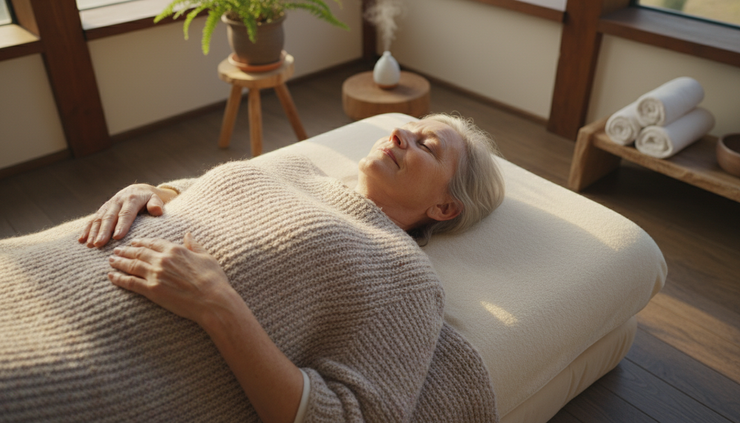
Making massage part of senior health care
Massage therapy is often seen as a treat, but for many older adults it can be more than that. It can support daily comfort, emotional balance, and a more positive relationship with the body.
The most helpful approach is usually steady and gentle. One session may bring short-term relief. Regular sessions, adapted as needs change, may offer broader support over time.
Massage can sit alongside:
Physiotherapy or rehabilitation
Gentle exercise programmes
Pain management plans
Sleep routines
Social care and emotional support
Medical treatment for ongoing conditions
This kind of joined-up care respects the full person. It recognises that mobility, stress, pain, sleep, mood, and independence are closely connected.
For seniors, better well-being often comes from small improvements that add up. A little less stiffness. A calmer evening. A more comfortable walk. A deeper breath. A sense of being cared for.
Massage cannot promise to remove every ache or worry, but it can offer something valuable: skilled touch, time, warmth, and support. In later life, those things are not luxuries. They are part of living with comfort, dignity, and ease.
Comments